Tax Conflict Resolution Representation: Protecting Taxpayers in Disputes with the IRS


Tax Conflict Resolution Representation: Protecting Taxpayers in Disputes with the IRS
When disputes arise between taxpayers and the Internal Revenue Service (IRS), or other tax agencies, experienced representation is critical. Tax conflict resolution involves defending taxpayers in audits, appeals, collection actions, and litigation under the Internal Revenue Code (IRC). Whether the matter involves income tax deficiencies, payroll tax liabilities, penalties, or international reporting violations, structured advocacy can significantly affect both financial exposure and procedural outcomes.
Common IRS Controversy Matters
Tax controversy representation frequently involves:
- IRS Audits (Examinations) – Field, office, or correspondence audits reviewing reported income, deductions, credits, or international disclosures.
- Notices of Deficiency – Formal determinations proposing additional tax assessments.
- Appeals Conferences – Administrative review before the IRS Independent Office of Appeals.
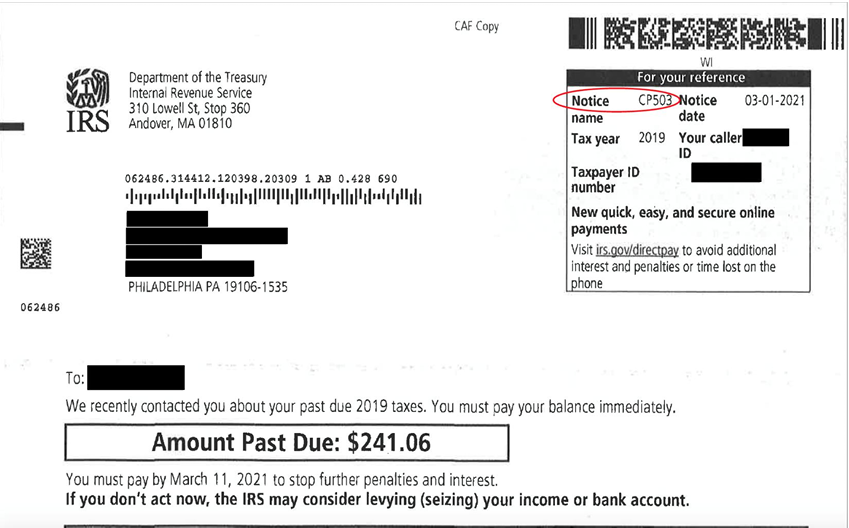
- Collection Actions – Liens, levies, wage garnishments, and asset seizures.
- Penalty Defense – Accuracy-related penalties, fraud penalties, trust fund recovery penalties, and international information return penalties.
- Tax Court Litigation – Judicial review of contested deficiencies.
Each stage presents procedural deadlines that, if missed, may limit a taxpayer’s rights.
Scope of Representation
- Audit Defense
During an IRS examination, counsel manages document production, prepares legal arguments, and limits the scope of inquiry where appropriate. Representation reduces the risk of unnecessary
disclosures and protects privileged communications.
- Administrative Appeals
The IRS Independent Office of Appeals functions as a settlement forum. Effective advocacy often involves:
- Hazard-of-litigation analysis
- Legal memorandum submissions
- Negotiated resolutions
- Penalty abatement arguments
Appeals is frequently the most efficient forum for resolving disputes without litigation.
- Collection Defense
When liabilities have been assessed, representation may include:
- Offer in Compromise (OIC) submissions
- Installment Agreements
- Currently Not Collectible (CNC) status
- Collection Due Process (CDP) hearings
Strategic financial disclosure analysis is central to achieving favorable collection alternatives.
- Criminal Tax Investigations
In matters involving potential willfulness or fraud, early intervention is essential. Legal counsel protects constitutional rights, manages interactions with IRS Criminal Investigation (CI), and coordinates defense strategy.
Taxpayer Rights in Controversy Matters
Under IRC § 7803(a)(3), the Taxpayer Bill of Rights ensures procedural protections, including:
- The right to be informed
- The right to challenge the IRS’s position
- The right to appeal
- The right to retain representation
- The right to a fair and just tax system
Understanding and asserting these rights is foundational to effective representation.
Representation Authority
Taxpayers may authorize representation through Form 2848 (Power of Attorney). Attorneys, Certified
Public Accountants (CPAs), and Enrolled Agents (EAs) may represent taxpayers before the IRS, state and local tax agencies.
Strategic Considerations for High-Net-Worth and Business Clients
For high-income individuals and closely held businesses, disputes often involve:
- Complex partnership and S corporation allocations
- International reporting (Forms 5471, 8938, 3520, FBAR)
- Transfer pricing adjustments
- Executive compensation disputes
- Employment tax assessments
These matters require coordinated legal, accounting, and valuation expertise.
Why Early Intervention Matters
Tax agency disputes are procedural in nature. Strict statutory deadlines—such as the 90-day period to petition the U.S. Tax Court after a Notice of Deficiency—cannot be extended. Early engagement allows counsel to:
- Preserve appeal rights
- Limit penalty exposure
- Develop evidentiary strategy
- Evaluate litigation risk
Conclusion
Tax conflict resolution representation is not merely reactive—it is strategic advocacy grounded in
procedural law, substantive tax analysis and representation. Whether at the audit stage, in appeals, or before a court, experienced representation can protect taxpayer rights, negotiate favorable outcomes, and mitigate financial and reputational risk.
For individuals and businesses facing tax agency scrutiny, timely and informed representation is often the most important step toward resolution. ClearView Financial Services is here to assist you.